
Introduction
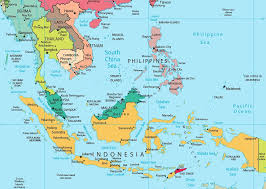
As Southeast Asia’s largest and fastest-growing economy, Indonesia is emerging as a powerhouse of long-term growth.
Driven by its strong demographic profile, rapid infrastructure expansion, and stable macroeconomic outlook, the country presents one of the most promising real-asset investment landscapes in the world.
For investors seeking stability and tangible value, strategic land in Indonesia is more than just property—it’s a gateway to future prosperity.
1. A Robust and Resilient Economy
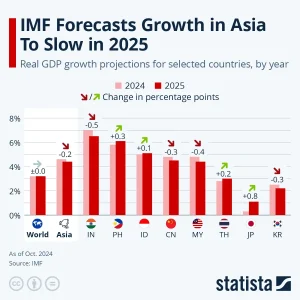
Indonesia has maintained a consistent GDP growth of around 5% annually for more than a decade.
With its large domestic market, stable political environment, and expanding industrial base, the country is increasingly viewed as a safe and profitable investment destination in Asia.
According to the IMF and World Bank, Indonesia is projected to become a Top-5 global economy by 2045 — marking a long-term growth opportunity for land investors.
2. Demographic Strength: A Young and Productive Population

Home to over 280 million people, Indonesia has the fourth-largest population in the world.
More than 60% are within productive age, ensuring sustained demand for housing, logistics, retail, and industrial land.
This demographic dividend supports continuous economic activity and provides a steady foundation for land value appreciation.
3. Strategic Geography and Expanding Infrastructure
Located between the Indian and Pacific Oceans, Indonesia holds a strategic position in global trade routes.
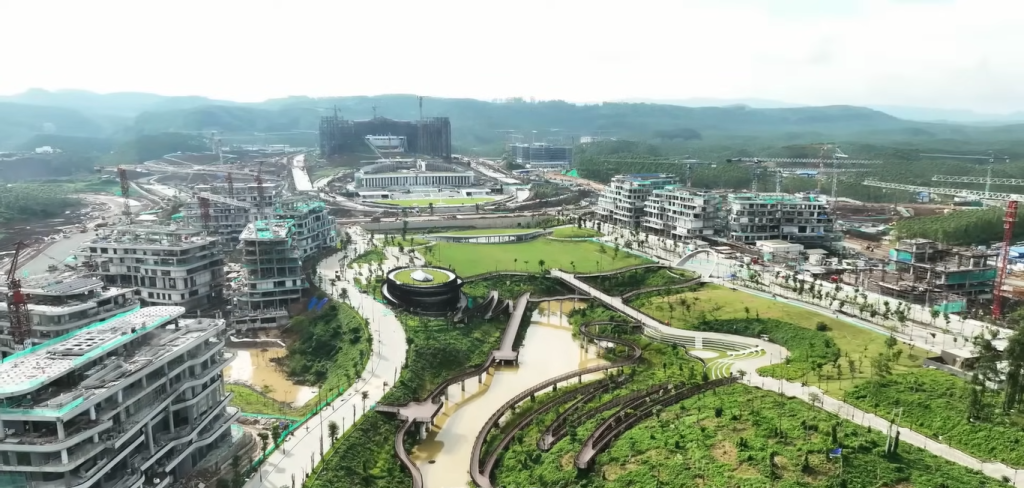
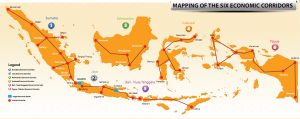
Massive government investments in toll roads, airports, seaports, and new cities such as Nusantara (IKN) are transforming regional connectivity.
These developments are creating new economic corridors, where strategically located land is gaining significant long-term value.
4. Land as a Finite Asset with Compounding Value
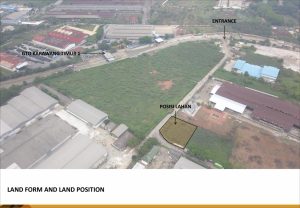
Land remains one of the few finite and inflation-resistant assets.
In Indonesia, especially around industrial and logistic zones, land values have increased by 10–20% per year depending on location and infrastructure access.
Investors benefit from both capital appreciation and passive income potential through leasing or property development (warehouses, housing, commercial use, etc.).
5. Policy Stability and Investor Confidence

Reforms such as the Omnibus Law, simplified land certification, and foreign ownership flexibility have improved Indonesia’s investment climate.
Combined with political stability and strong domestic consumption, these policies create a secure environment for long-term investors.
Transparency and regulation improvements further position Indonesia as a reliable destination for global capital.
6. Toward Vision 2045: Building a Sustainable Future

Indonesia’s Vision 2045 aims to transform the country into a high-income, sustainable economy.
Strategic land will play a central role in enabling industrial diversification, renewable energy projects, and new urban developments.
Investing today means being part of Indonesia’s transformation journey toward sustainable, inclusive growth.
The Time Is Now

With a young population, solid economic fundamentals, and a government committed to infrastructure growth, Indonesia stands as one of the most compelling real estate markets in the world.
For forward-thinking investors, strategic land in Indonesia offers not only attractive returns but also a chance to shape the future of Southeast Asia’s growth story.